
Fat belgian malinois
Understanding the Belgian Malinois Breed
Table of Contents
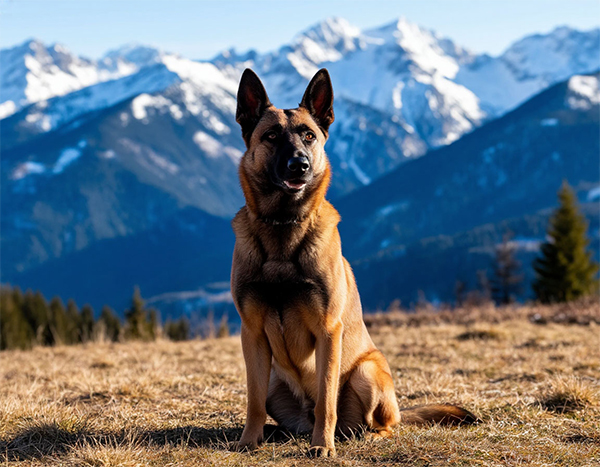
The Belgian Malinois is a highly athletic and intelligent dog breed, originally bred for herding and police work. These dogs are known for their speed, agility, and high energy levels. A fat Belgian Malinois is not typical of the breed, and when weight gain occurs, it usually signals an issue with diet, exercise, or health.
What Causes Weight Gain in Belgian Malinois?
Several factors can contribute to a Malinois becoming overweight. Poor diet and insufficient exercise are the most common causes. However, other factors such as aging, hormonal imbalances, and even stress or boredom may lead to excessive weight gain in this normally active breed.
Health Risks of Obesity in Belgian Malinois
Carrying extra weight puts strain on a Malinois’s joints, heart, and respiratory system. Obesity in this breed can increase the risk of the following conditions:
- Hip and elbow dysplasia
- Arthritis and joint pain
- Heart disease
- Diabetes
- Reduced lifespan and energy levels
Keeping your dog at a healthy weight is essential for longevity and quality of life.
Signs Your Malinois Is Overweight
You should be able to feel, but not see, your dog’s ribs. If your Malinois has a rounded belly, lacks a visible waistline, or becomes quickly tired during activity, they may be overweight. A visit to the vet can confirm your dog’s ideal weight range and help rule out medical causes of weight gain.
How to Help a Fat Belgian Malinois Lose Weight
Helping your dog lose weight requires consistency and a multi-step approach. It’s important to create a plan that includes:
Reducing food portions, switching to high-quality dog food, increasing physical activity, and minimizing high-calorie treats. Make exercise fun with games like fetch or agility courses. Work closely with a vet to track progress and adjust the plan as needed.
Ideal Weight Comparison Table
| Condition | Weight Range (Male) | Weight Range (Female) |
|---|---|---|
| Healthy | 60–80 lbs | 40–60 lbs |
| Overweight | 85–100 lbs | 65–80 lbs |
| Obese | 100+ lbs | 80+ lbs |
Conclusion
While a fat Belgian Malinois may look cute to some, excess weight can be dangerous. These dogs are meant to be lean, active, and agile. With proper care, attention, and a structured plan, your Malinois can return to a healthy weight and live a happier, more energetic life. Don’t delay — start making changes today.

Scientifically Identified Diseases In Dogs

How long can you give benadryl to a dog

I never realized stress could make dogs gain weight too. Great info in this post!
This article explains well why a lean Malinois is important for their agility and health.
Learning about the health risks was eye-opening. I want my Malinois to stay active and healthy.
Good to know that obesity can lead to serious health problems in Belgian Malinois. Thanks for sharing!
The signs of an overweight Malinois are clear now. I’ll be more mindful with my pet’s diet.
I didn’t know Belgian Malinois could get overweight. This article is informative about their health needs.
The weight comparison table is helpful. Now I know what healthy weight looks like for my dog.
I appreciate the detailed plan for helping dogs lose weight. It sounds effective.
The advice on exercise and food portions is practical. Will try these with my dog!
Interesting to learn how diet and exercise are crucial for Malinois. Good tips on keeping them healthy!